
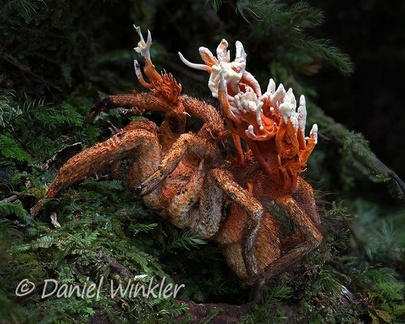
 Cordyceps caloceroides on a Tarantula seen near Pitalito
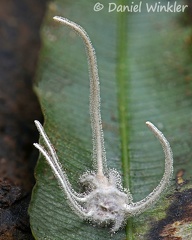 Gibellula pulchra growing from a tiny spider in Mocoa. Fitting species name: "pulchra" meaning beautiful in Latin. However a spider might miss the beauty aspect in a Gibellula infection.
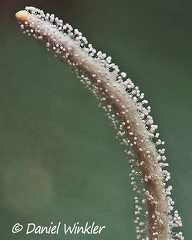 Synnema with Conidiophores of Gibellula pulchra seen at Cascadas Fin del Mundo near Mocoa
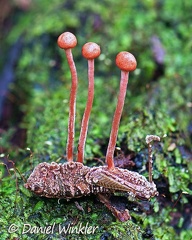 Ophiocordyceps amazonica seen in Isla Escondida, Putumayo
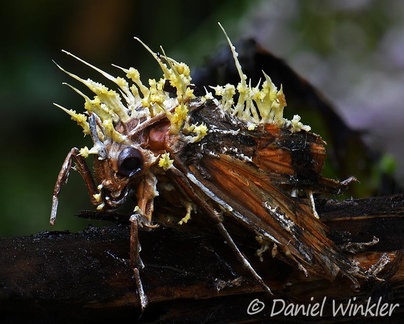 A moth having a real bad case of Cordyceps tuberculata, the telemorph of what was formerly known as Akanthomyces pistillariiformis'
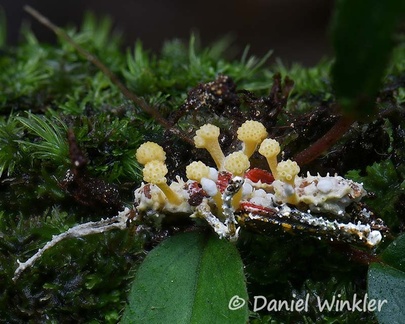 Beauveria sp. growing out of a mall grasshopper
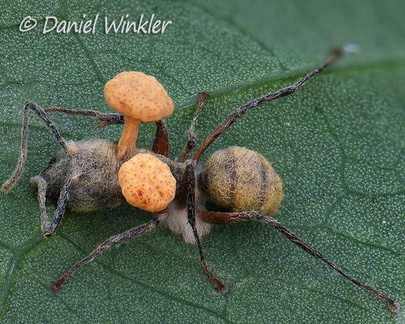 Ophiocordyceps binata, aka Ophiocordyceps lloydii var binata top side
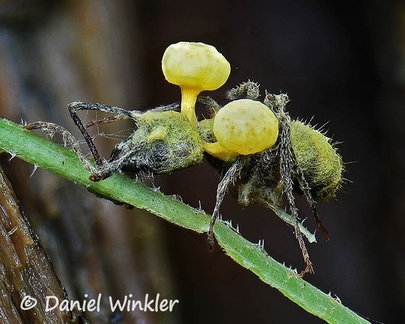 Ophiocordyceps binata seen in Mocoa
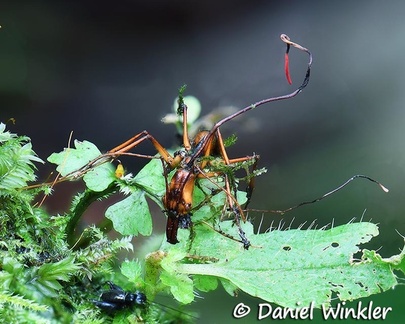 Ophiocordyceps on odontomachus ant seen in Isla Escondida
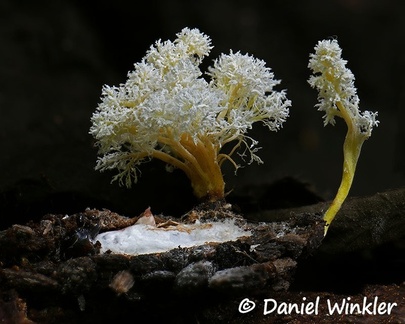 Cordyceps (aka Isaria) tenuipes anamorph. Most of the conidiospores already were dispersed from moving the specimen for the photo. seen in Pitalito
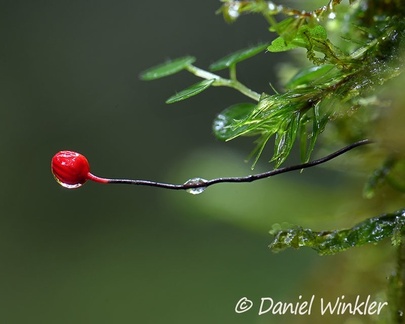 Ophiocordyceps evansii stroma seen in Isla Escondida
 fertile head of Ophiocordyceps evansii seen in Isla Escondida. This and parasitizing species was previously clustered with O. australis, which has a round head.
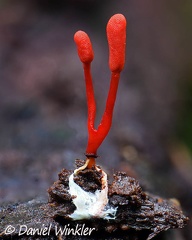 Cordyceps nidus growing from a small spider seen in Isla Escondida, Putumayo
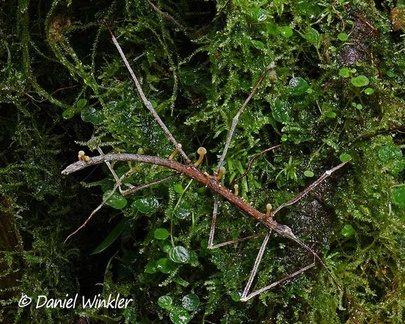 Beauveria diapheromeriphila, an immature specimen of this stick bug Cordyceps.
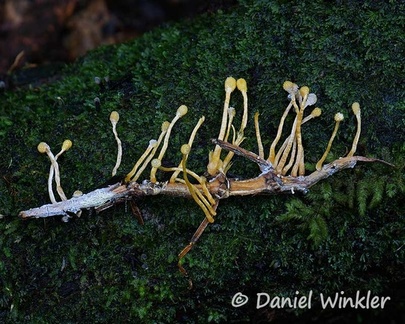 Beauveria diapheromeriphila, the stick bug Cordyceps past prime seen in La Escondida, Putumayo
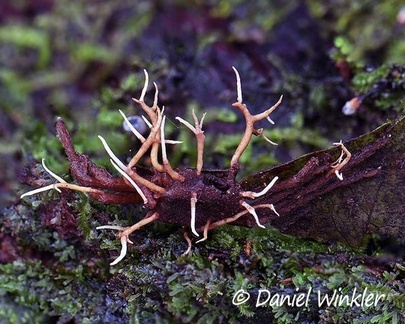 Ophiocordyceps engleriana fruiting on spider, note the legs, in Isla Escondida, Putumayo
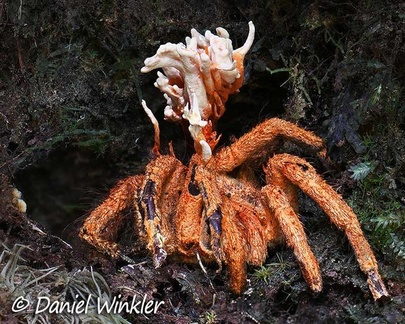 Cordyceps caloceroides on a Tarantula in situ near Pitalito
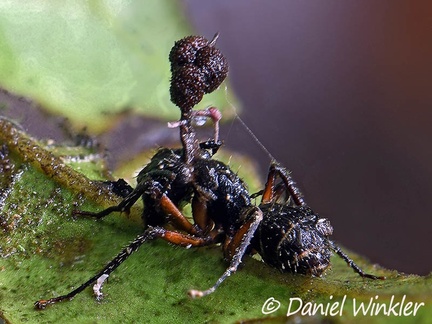 Ophiocordyceps unilateralis seen in Mocoa
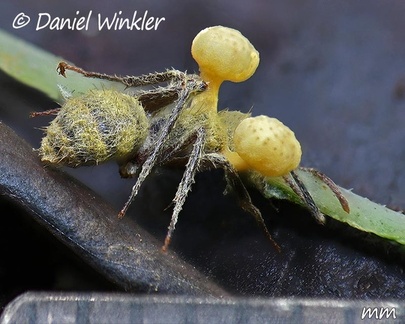 Ophiocordyceps binata with scale indicating a length of 6 mm seen near Mocoa
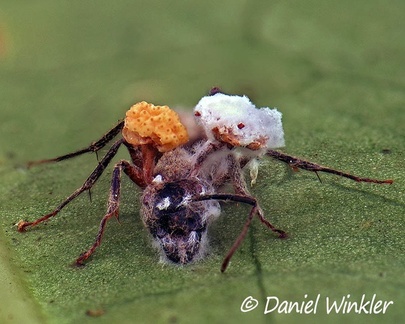 A past prime Ophiocordyceps binata with hyperparasite