Home 3129

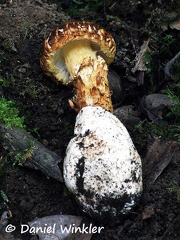 A Squamanita - a parasitic mushroom growing on top of the base of the high-jacked Amanita volva and stembase
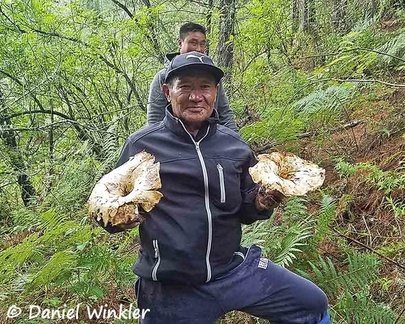 Tsering proudly showing 2 big Briddegills, Russula cf brevipes near Misetang, Tang, Bumthang.
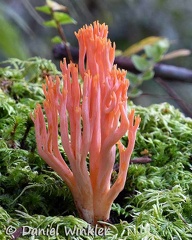 A beautiful pink-orange Ramaria above Tingtibi, Zhemgang that is locally eaten.
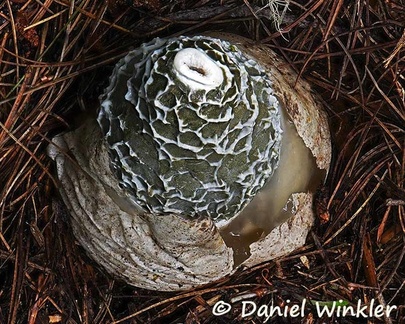 Phallus impudicus seen from above. They are quite common in pine forests.
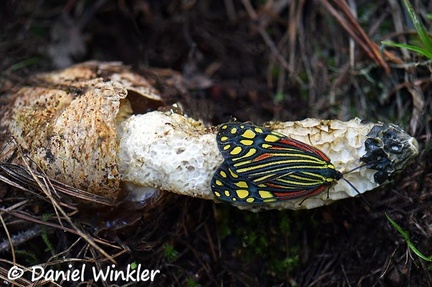 A stinkhorn (Phallus impudicus) visited by Callimorpha principalis moth below CheleLa
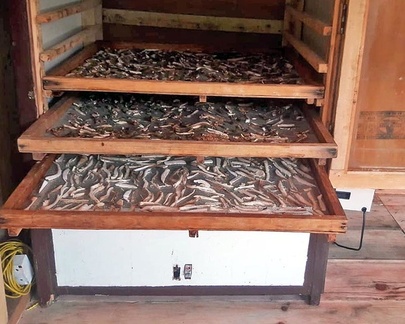 Misetang Boletus reticuloceps Drying August 2019
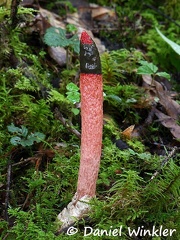 A Mutinus stinkhorn aka dog stinkhorn or Dog's rod. Not 100% sure which species, but close to M. caninus
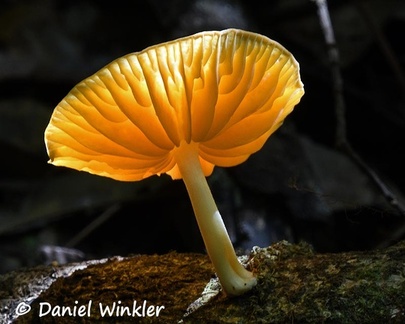 A common wood decaying yellow Marasmius glowing in the sun above Tingtibi
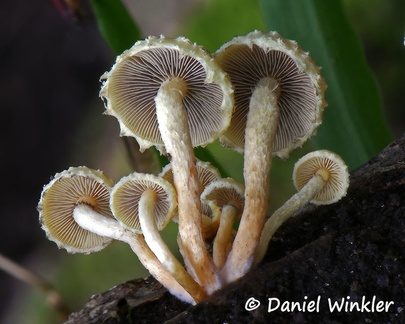 Hypholoma sp. with a bitter taste seen above Tingtibi
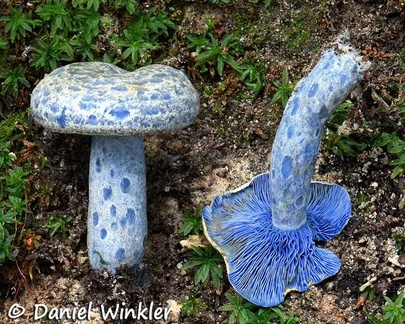 Lactarius subindigo looks lust like the new worlds Lactarius indigo. It is edible and enjoyable. I tested the Bhutan version without ill effects. L. subindigo is reported from China, Japan and New Guniea.
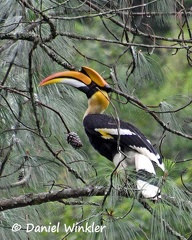 Great Hornbill - Buceros bicornis seen near Zhemgang from an Ecolodge to be.
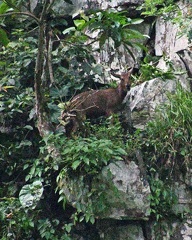 Goral climbing in the cliff near Tingtibi
 People at the tent stores at the Muhsroom festival in Genekha
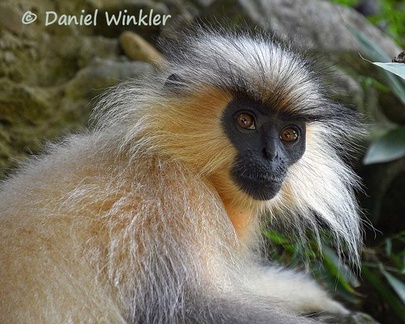 This Golden-Grey Langur was licking salt right next to the road east of Zhemgang. It should be the rare hybrid between Gee's golden and Capped langur - Trachypithecus geei and T. pileatus.
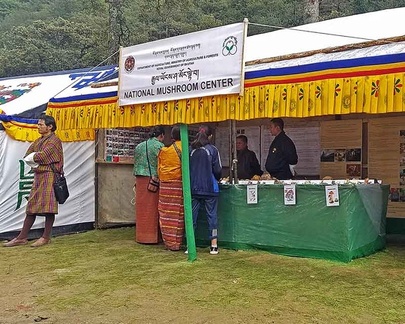 Genekha NMC tent
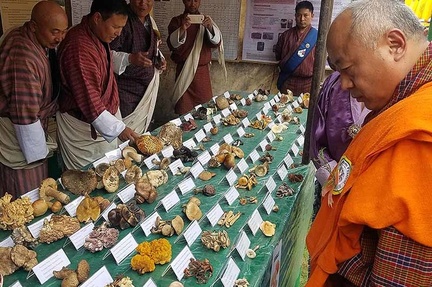 Mushroom display table at the Genekha mushroom festival provided by Bhutan's NMC
 Sacred dance at the Genekha mushroom festival
 Gambling in a tent at the Genekha Muhsroom festival, which offers much more than mushrooms.
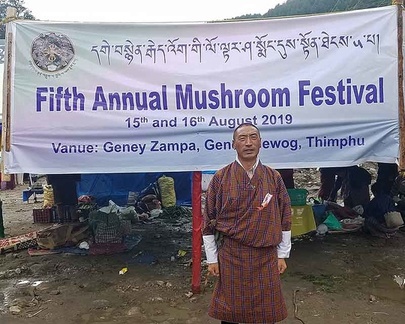 Banner of the Genekha Muhsroom festival with Dawa Penjor of the National Mushroom Center
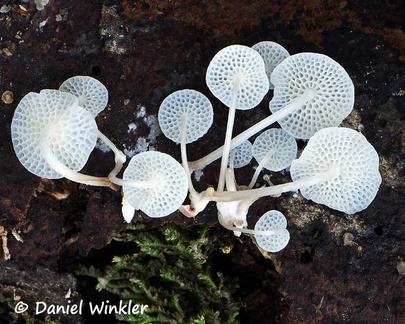 Gorgeous Filoboletus manipularis? hymenium. They did not display bioluminescent in the dark.